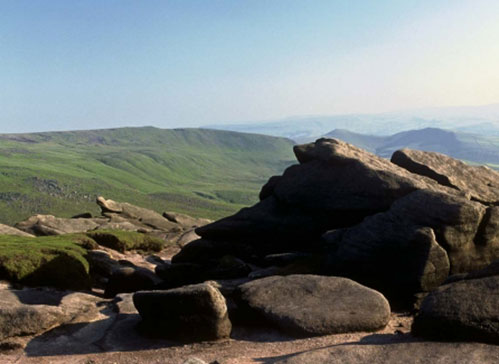
This area is a walking paradise!
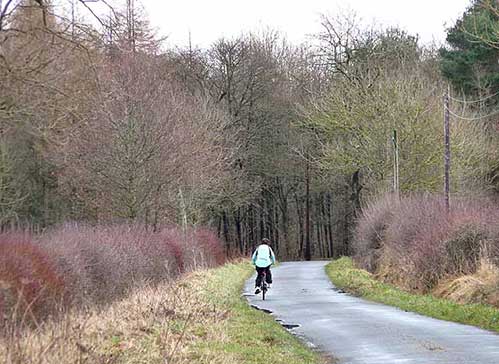
The local area is rich with walking trails to suit every type of walker.
The Pennine Way passes the entrance to Mytiny.
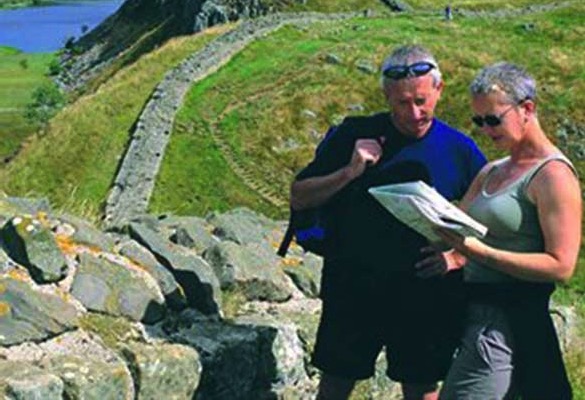
The full length of the Pennine Way is 268 miles but you can spend as little or as long as you like walking on the Pennine Way National Trail. Some people like to walk the full length between Edale and Kirk Yetholm. Others like to spend a week, a few days or even a day at a time taking in spectacular lengths of the route. Most full length walkers allow between 16 to 19 days to walk the entire Way.
Steeped in history, this National Trail chases along the mountain tops along the rugged backbone of England and offers 268 miles of the finest upland walking in England. A once in a lifetime experience for walkers of all ages and abilities.
The Pennine Way National Trail is a walking route from Edale in Derbyshire to Kirk Yetholm in the Scottish Borders. It crosses some of the finest upland landscapes in England, from the Peak District, through the Yorkshire Dales, across the North Pennines and over Hadrian’s Wall in Northumberland to the Cheviots.
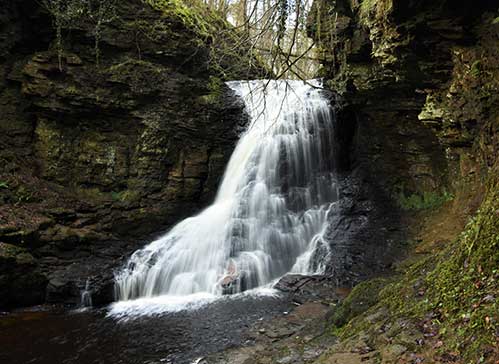
Hareshaw Linn Walk
Is a stunning 2.5 mile walk starting from Bellingham, going through countryside, passing the remains of an old ironworks, (the area was once home to a number of iron and coal mines), and ending at a magnificent 30 feet waterfall. Today, Hareshaw Linn is a Site of Special Scientific Interest (SSSI), designated for its rare ferns and lichens. Strictly speaking, ‘Linn’ is a waterfall. It is at the farthest point of Hareshaw Dene, a densely wooded glade full of wildlife, that the waterfall of Hareshaw Linn is to be found.
Over 300 different types of Mosses, Liverworts and Lichens can be found. The ‘Linn’ is also home to the Red Squirrel, Great Spotted Woodpecker, Wood Warbler, Spotted Flycatcher, Badger, Roe Deer and Daubenton’s Bat.

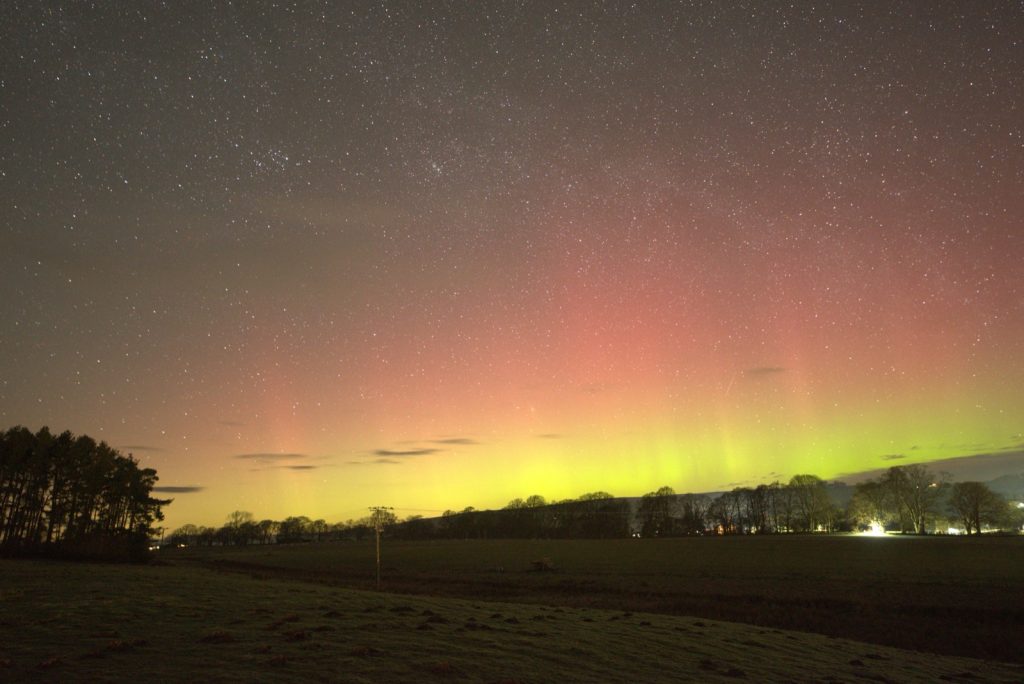
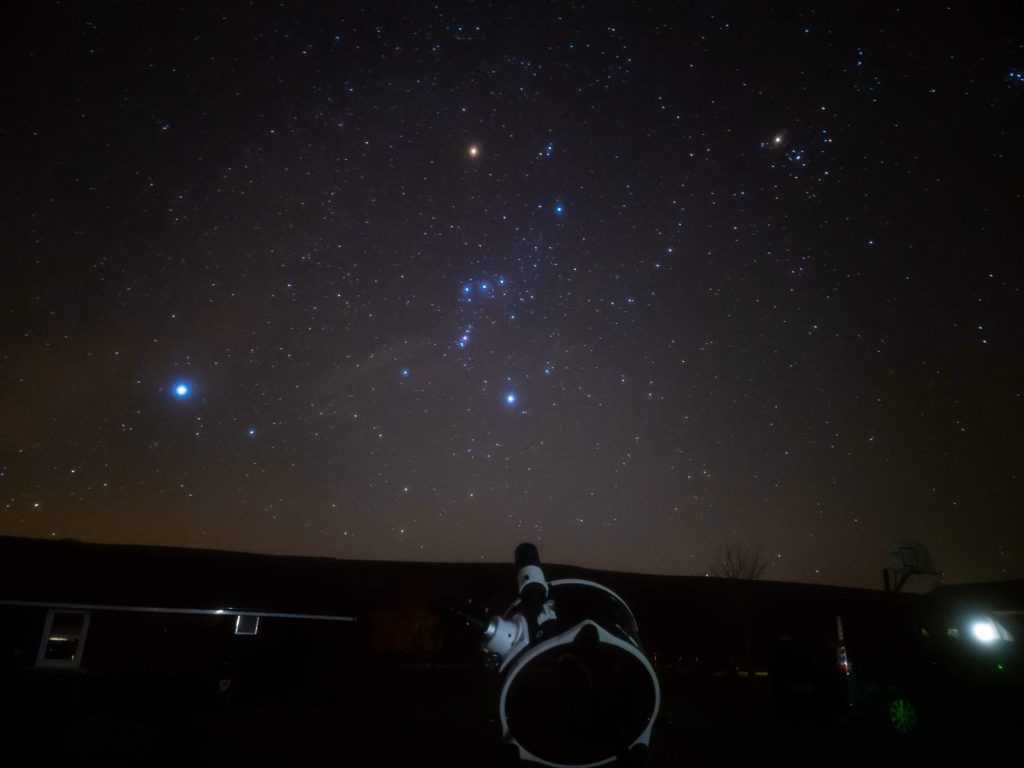
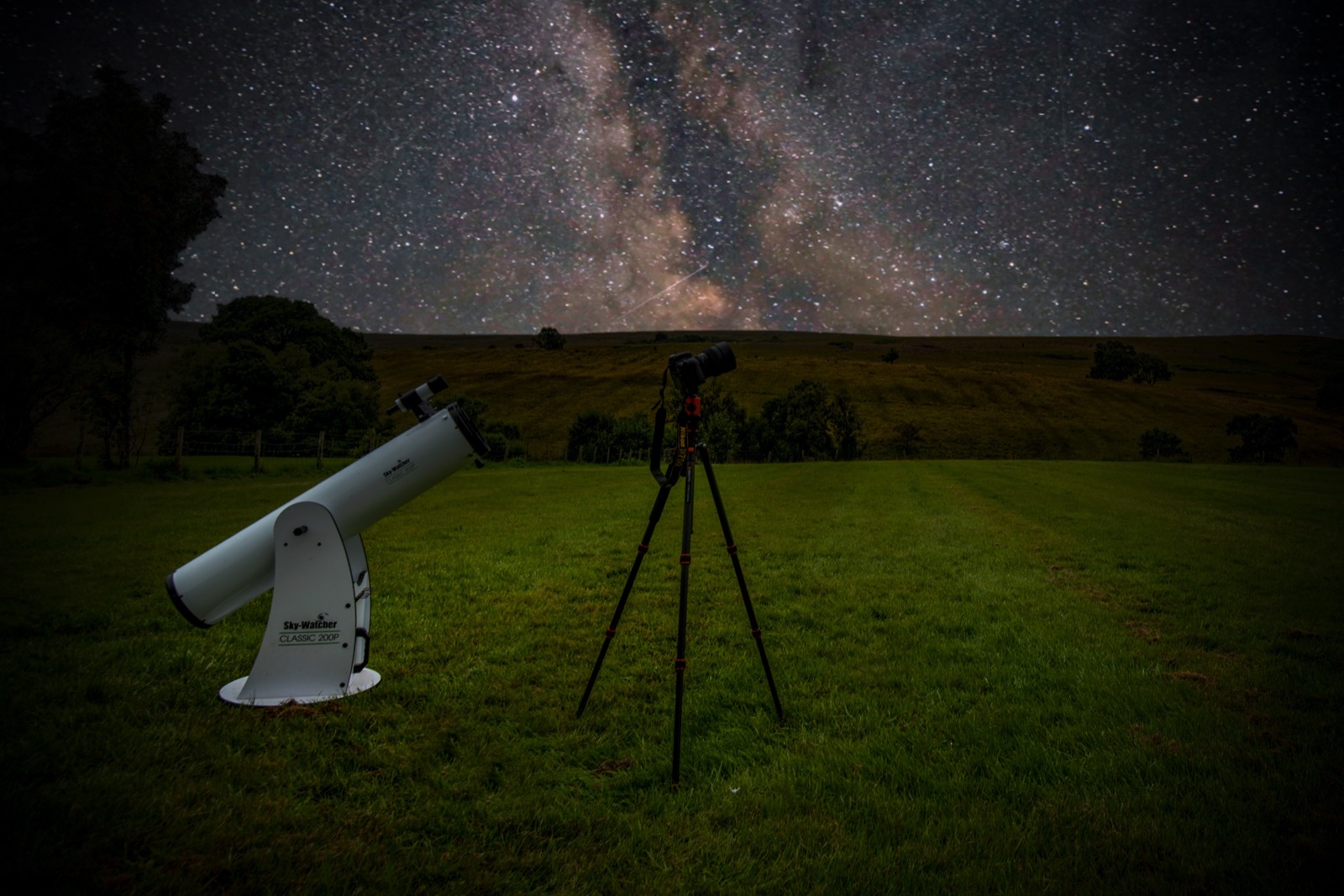
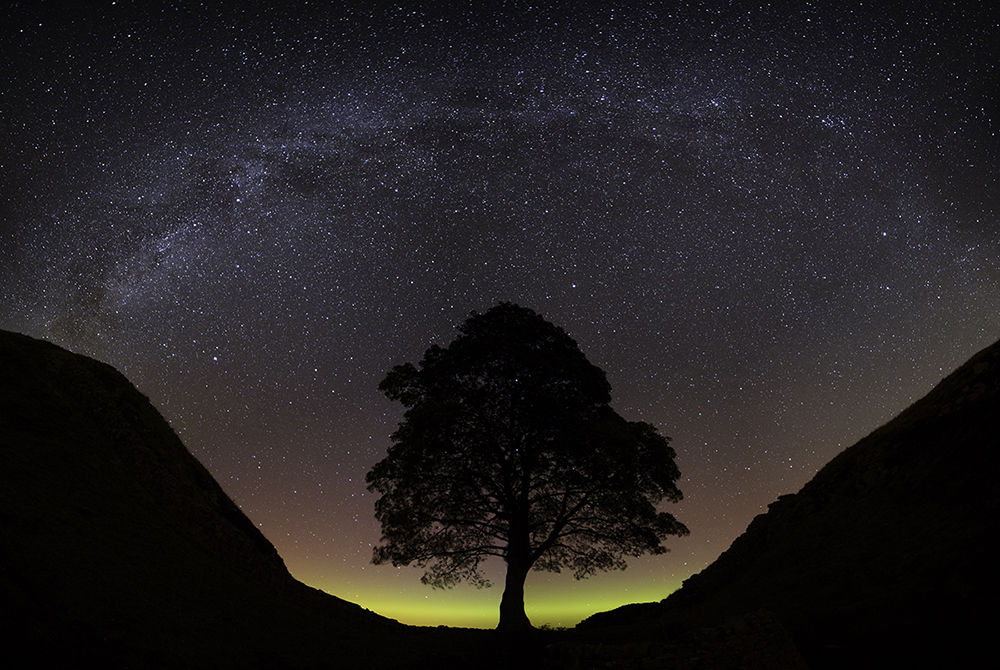
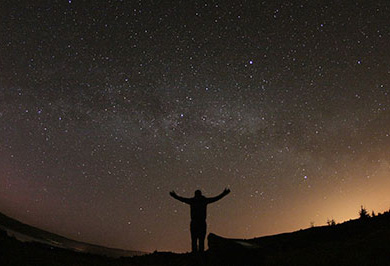
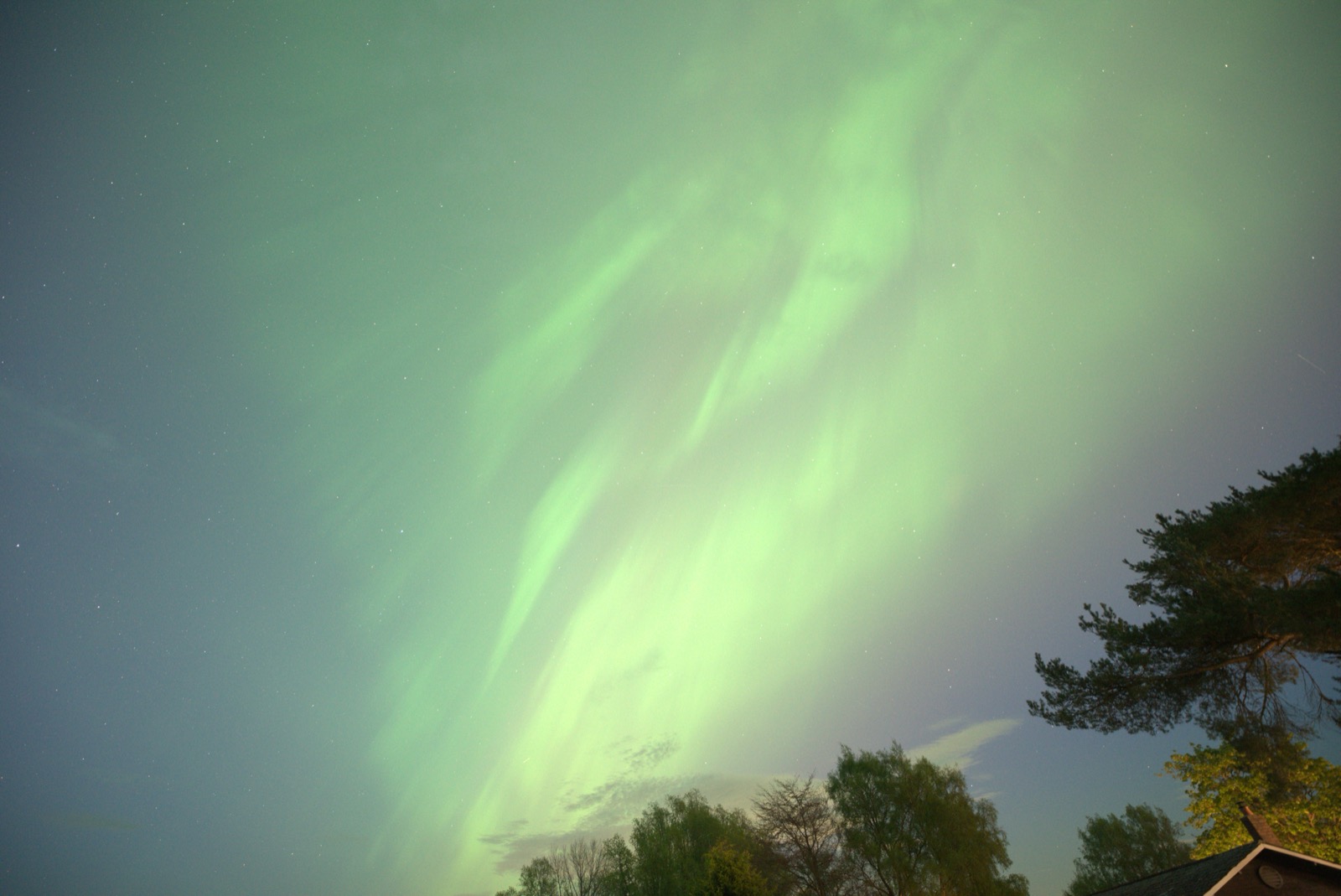
 A Sky Quality Meter reading of 20 or 21 indicates a dark sky where stargazing is at its best and the stars of the Milky Way are clearly visible. A series of meter readings taken around Mytiny on a clear night in March 2020 (with all lights off) has consistently produced readings between 21 and 22. The Milky way is best observed during Autumn evenings when it`s high in the sky. Winter and Spring is a good time to see bright galaxies. September to mid-April is the ideal time for spotting the Auora Borellias.